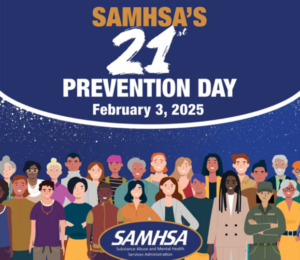
On February 3, 2025, the Substance Abuse and Mental Health Services Administration (SAMHSA) hosted its 21st annual Prevention Day, uniting community leaders, government officials, and prevention specialists across the United States to raise awareness about substance use prevention.
History of SAMHSA’s Prevention Day
Established over two decades ago, SAMHSA’s Prevention Day serves as a platform to highlight the importance of preventing substance misuse and promoting mental health. The event has consistently provided opportunities for professionals and community members to collaborate, share strategies, and strengthen partnerships aimed at fostering healthier communities.
The Role of Prevention in Recovery-Friendly Workplaces
Prevention is a cornerstone in creating Recovery Friendly Workplaces—environments that proactively support employees’ recovery journey, mental health and overall well-being. By implementing preventive measures, employers can:
- Deter Substance Use Onset: Addressing vulnerabilities early helps establish long-lasting healthy habits among employees, reducing the likelihood of substance use initiation.
- Limit Escalation: Providing resources and support can intervene early, curbing the progression of misuse before it reaches critical levels.
- Minimize Harm: Implementing harm reduction strategies lessens the long-term impacts on individuals and the broader workplace community.
By fostering a culture of prevention, workplaces not only enhance employee well-being but also benefit from increased productivity, reduced absenteeism, and a more positive organizational culture.
Integrating Prevention Strategies into the Workplace
Employers can integrate prevention strategies by:
- Implementing Educational Programs: Offering training sessions that inform employees about the risks of substance use and the importance of mental health.
- Establishing Support Systems: Creating Employee Assistance Programs (EAPs) that provide confidential counseling and resources for those in need.
- Promoting a Stigma-Free Environment: Encouraging open discussions about mental health and substance use without judgment, which can lead to early intervention and support.
Here are examples of what employers can do in each of the areas above:
1. Implementing Educational Programs:
- Workshops and Seminars: Organize regular training sessions, webinars, or seminars on topics like substance use awareness, mental health, and stress management. These can feature guest speakers, mental health professionals, or recovery experts.
- Distribute Resources: Provide employees with brochures, guides, or digital content (e.g., videos, articles) on mental health and substance use prevention. This information could include recognizing warning signs of substance abuse, understanding how mental health issues affect work performance, and resources available.
- Interactive eLearning: Develop online courses or modules that employees can complete at their convenience. These courses can cover topics such as managing stress, recognizing the effects of substance use on health and productivity, and mental health self-care.
- Focus on Early Prevention: Create educational materials that focus on the importance of early intervention, such as recognizing warning signs of substance misuse and mental health decline, and ways to seek help before issues escalate.
2. Establishing Support Systems:
- Employee Assistance Programs (EAPs): Set up EAPs that offer employees confidential counseling services for both personal and professional challenges, including mental health issues and substance abuse. These services can be available 24/7.
- Referral Networks: Partner with local mental health professionals or rehab centers so that employees can easily access referrals when necessary. Employers can also create a list of trusted resources available in their local area for employees to access.
- Workplace Support Groups: Encourage peer-led support groups for employees dealing with substance use or mental health issues. These can provide a confidential space for employees to share experiences and gain emotional support from their peers.
- Flexible Work Arrangements: Provide options like flexible hours or the ability to work remotely for employees attending therapy sessions or needing time to recover from a health crisis related to mental health or substance use.
3. Promoting a Stigma-Free Environment:
- Leadership Advocacy: Encourage company leaders to speak openly about their own mental health or substance use experiences (if they feel comfortable doing so) to set a positive example. This normalizes these conversations and reduces stigma.
- Awareness Campaigns: Run internal campaigns (e.g., posters, newsletters, intranet posts) that emphasize the importance of mental health, combat common misconceptions, and reinforce the idea that seeking help is a strength, not a weakness.
- Confidential Conversations: Ensure employees know they can have private, judgment-free conversations with managers or HR about any mental health or substance use concerns they have. Create clear guidelines that assure employees their privacy and well-being are top priorities.
- Incorporate Mental Health Days: Offer dedicated mental health days as part of the company’s sick leave policy. This can signal that mental health is just as important as physical health and can help employees avoid burnout.
- Non-judgmental Language: Train managers and employees to use non-stigmatizing language when discussing mental health or substance use. For instance, using terms like “person in recovery” instead of “addict” or “someone with mental health challenges” instead of “crazy.”
- Zero-Tolerance Policy for Discrimination: Implement and enforce a clear policy that discrimination, bullying, or harassment related to mental health or substance use issues will not be tolerated.
By implementing these strategies and aligning with the objectives of SAMHSA’s Prevention Day, employers can play a pivotal role in promoting prevention and supporting recovery within the workplace, ultimately contributing to the well-being of their employees and the health of their organizations.
Learn more here: pttcnetwork.org
Get notified of the latest updates: